
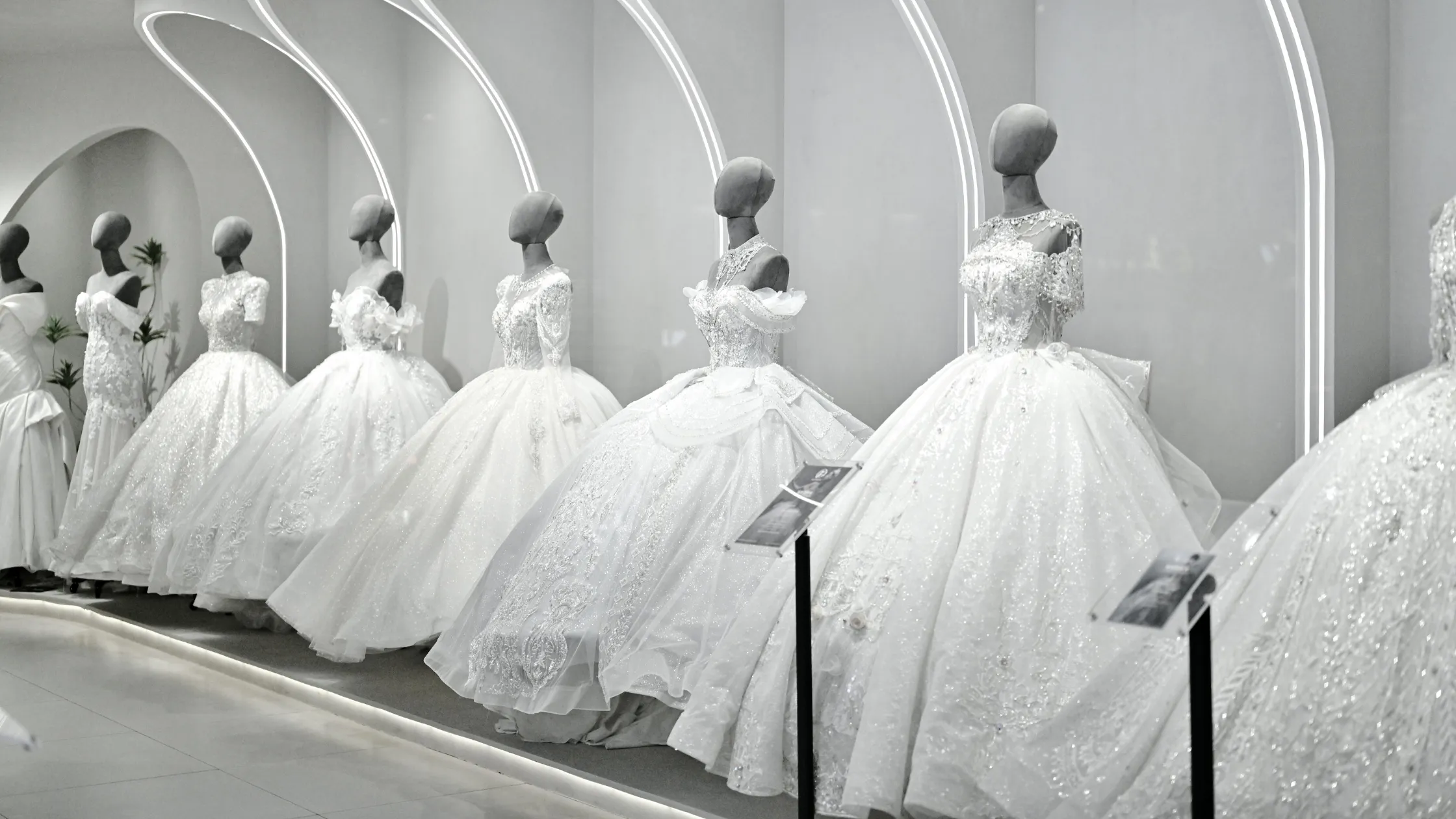
If there is one thing that stresses almost every bride more than makeup, jewellery, or even the guest list, it is this simple question: how do you know your wedding dress size?
I still remember standing in a bridal store for the first time, holding a lehenga that looked dreamy on the hanger but felt completely different when I tried it on.
The size tag said “Medium,” but it didn’t fit my waist. The saleswoman smiled and said, “Madam, bridal sizes are different.” That moment was confusing, slightly embarrassing, and honestly very eye-opening.
That day, I realised something important: your regular clothing size and your wedding dress size are not the same thing.
And if you don’t understand this early, you can easily end up with a dress that feels uncomfortable, looks odd in photos, or needs expensive last-minute alterations.
So let’s talk honestly and practically about how to know your wedding dress size, without stress, without guessing, and without fashion myths.
Why Wedding Dress Sizing Feels So Confusing
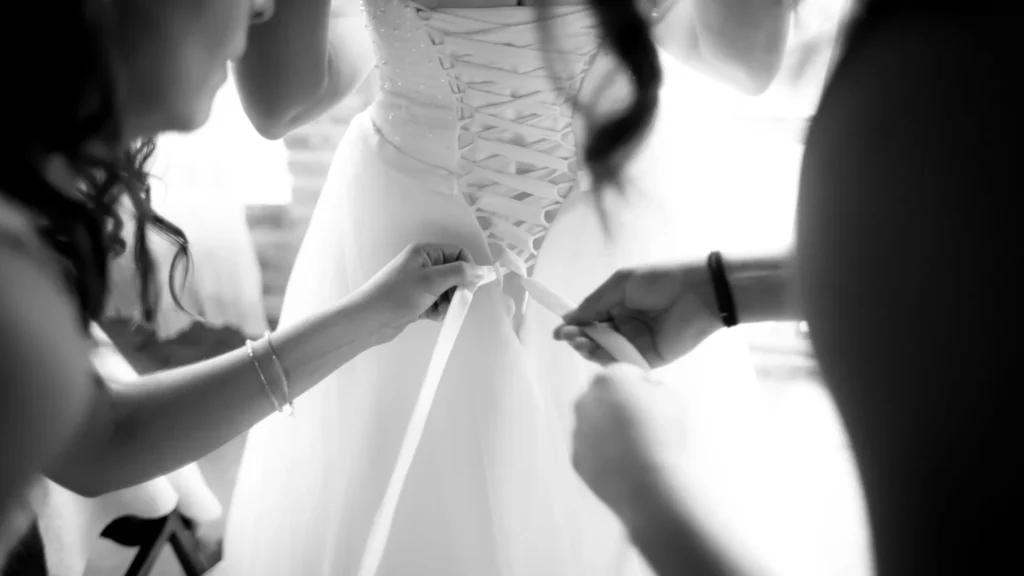
The biggest mistake most brides make is assuming that if they wear a “M” or size 28 in daily clothes, the same size will work for their wedding outfit. In reality, bridal wear follows a completely different sizing logic.
Wedding dresses, lehengas, and gowns are designed with structure, heavy fabric, embroidery, and fitted silhouettes.
Because of this, they run smaller than casual clothes. A woman who wears size 28 jeans might need a 30 or even 32 in a bridal lehenga.
This doesn’t mean your body has changed. It simply means bridal sizing is more rigid and less forgiving.
Another reason for confusion is that different designers, boutiques, and countries follow different size charts. A size 10 gown in one brand might fit like a size 12 in another.
That’s why asking “how do you know your wedding dress size?” is not silly at all. It’s actually the smartest question a bride can ask.
Start With Your Actual Body Measurements, Not Your Guess
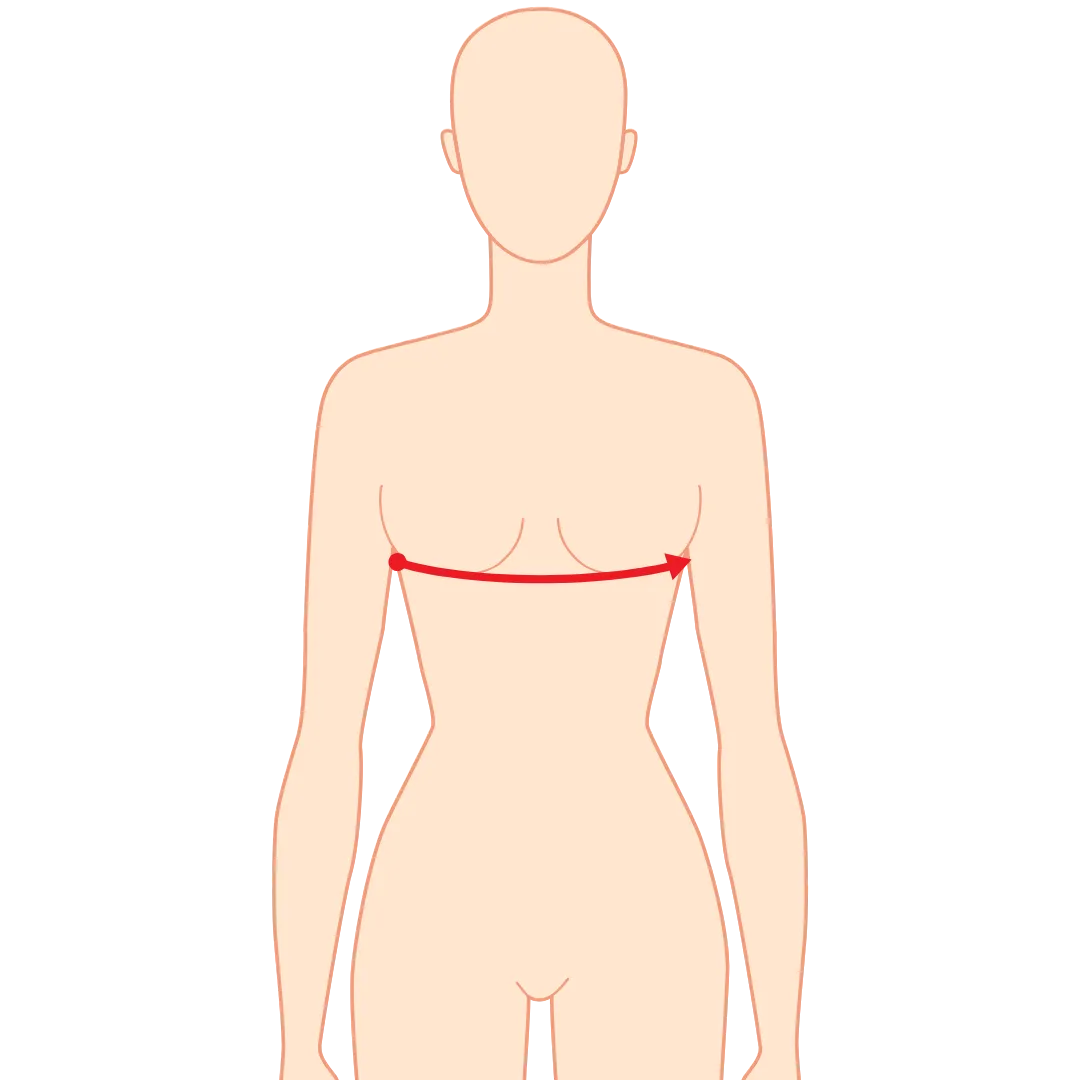
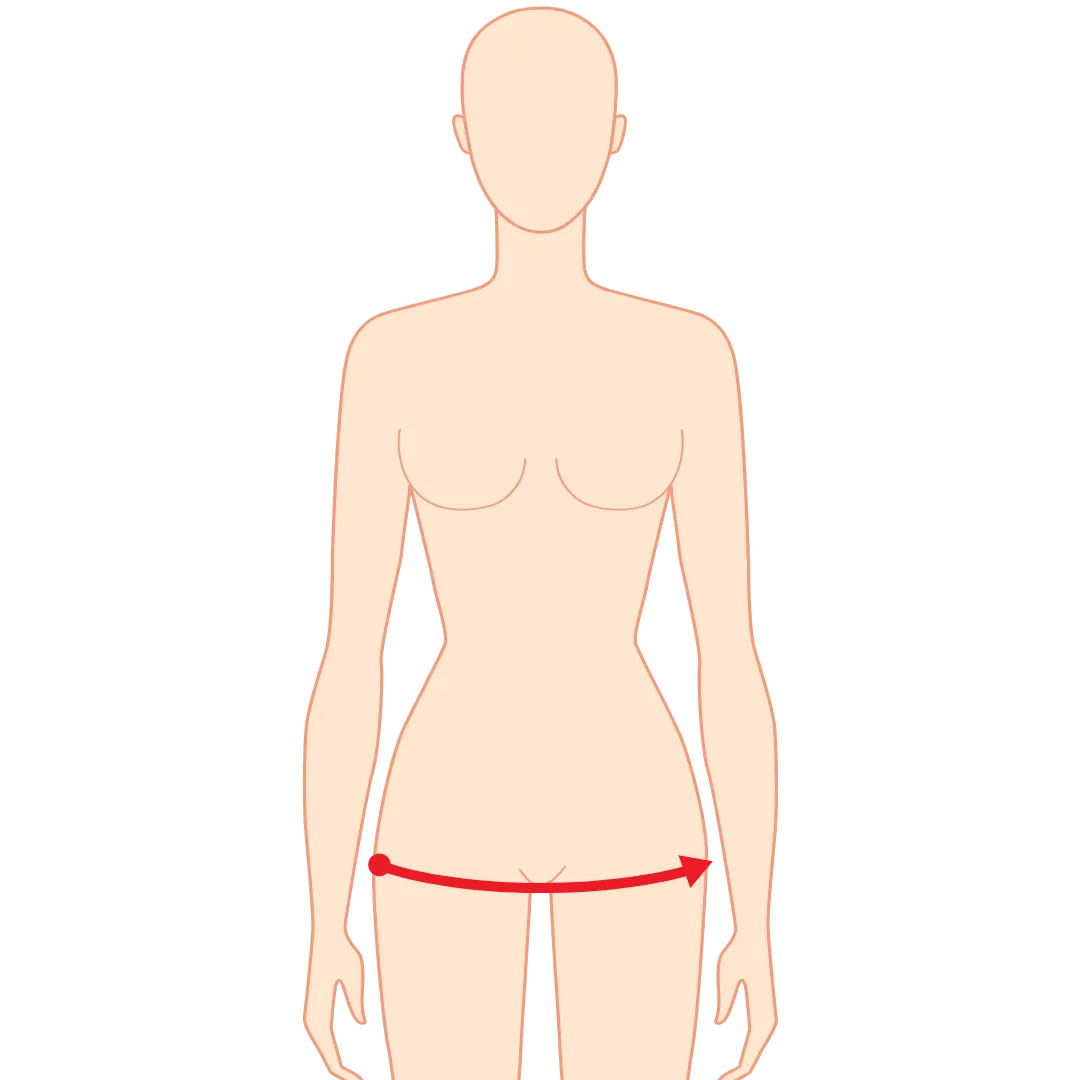
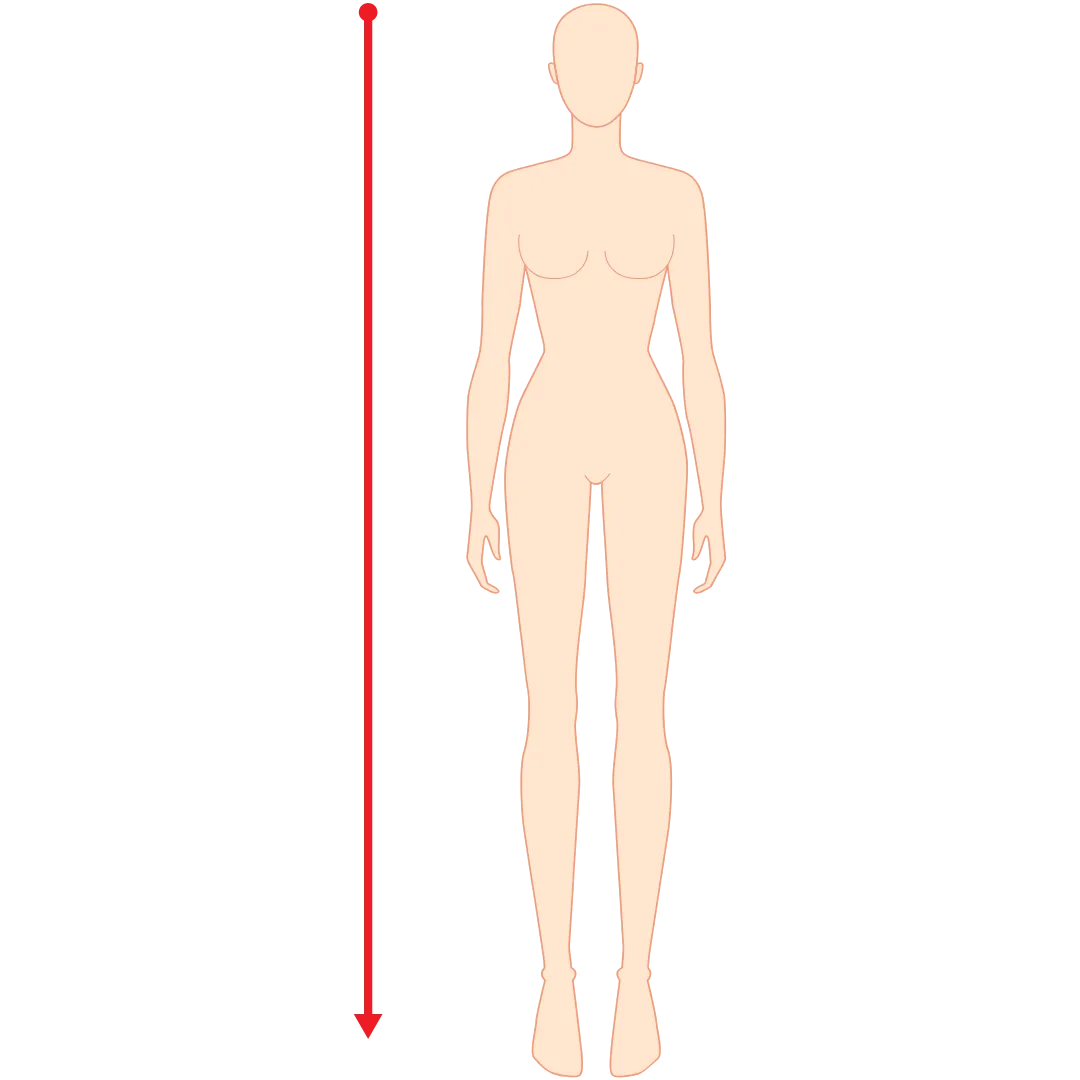
If there is one golden rule I’ve learned as a fashion blogger, it is this: never choose a wedding dress size based only on what you think you are. Always measure your body properly.
You only need three main measurements to get a fairly accurate bridal size: bust, waist, and hips. Use a soft measuring tape and stand straight but relaxed.
Don’t suck in your stomach or pull the tape too tight. Bridal wear is meant to fit your real body, not a fantasy version of it.
Measure your bust at the fullest part, your waist at the narrowest part (usually a little above the navel), and your hips at the widest part.
Write these numbers down in inches or centimetres. These three numbers matter far more than any “S, M, L” label.
When I was shopping for my cousin’s bridal lehenga, her waist was 29 inches, but the store suggested size 32 based on her hip and blouse fit.
At first, she felt upset. Later, when she tried it on, she realised they were absolutely right. The lehenga looked perfect and felt comfortable all day.
So… How Do You Know Your Wedding Dress Size in Real Life?
Here is the honest, practical answer: you know your wedding dress size by matching your largest body measurement (bust, waist, or hips) to the brand or designer’s size chart.
If your bust fits size 30, waist fits size 28, and hips fit size 32, then your wedding dress size should be 32.
Alterations can always make a dress smaller, but making it bigger is difficult, expensive, and sometimes impossible.
This is something many brides learn the hard way. They ordered a smaller size, hoping they would lose weight before the wedding.
Sometimes it works, but many times it only creates panic close to the big day. My personal advice? Always order the size that fits you now, not the size you hope to be later.
Why Bridal Sizes Are Always Bigger Than Your Normal Size
A very common emotional moment happens when a bride hears her bridal size. She thinks, “Oh my God, I’ve become fat.” But the truth is much simpler and kinder.
Bridal wear is cut smaller because designers expect alterations. Heavy fabrics like silk, velvet, and brocade don’t stretch like cotton or jersey.
Structured blouses, corsets, and lehenga waistbands need extra room for stitching, lining, and embroidery.
So if you normally wear a size 28 kurti and your wedding lehenga size comes out as 32, it is completely normal. It has nothing to do with your fitness or beauty. It is just how the industry works.
Online Shopping vs Boutique Fittings – Big Difference
If you are buying your wedding dress online, knowing your size becomes even more important.
Online stores cannot see your body shape, posture, or comfort preferences. They only work with numbers.
This is why many brides face disappointment with online orders. They choose their regular clothing size instead of checking the brand’s size chart properly.
The dress arrives too tight, the blouse doesn’t close, or the waist feels uncomfortable.
In contrast, bridal boutiques take your measurements and suggest a size that allows room for alterations.
This is why boutique fittings usually feel more accurate and less stressful.
If you are ordering online, always check the seller’s measurement chart and compare it with your own bust, waist, and hip numbers. Never rely only on “Small, Medium, Large” labels.
What If Your Body Changes Before the Wedding?

This is another real concern. Engagement-to-wedding time is full of diet changes, gym routines, stress, and sometimes weight fluctuations.
From experience, the safest approach is this: buy a slightly bigger size and alter it later. Alterations are normal in bridal wear. Almost every wedding dress is tailored at least once.
If you buy a tight-fitting dress hoping to lose weight and it doesn’t happen, you will feel anxious and unhappy during fittings.
But if you buy a slightly bigger size, a good tailor can easily take it in and make it look custom-fitted.
I’ve seen brides cry because their dress didn’t fit one week before the wedding.
’ve also seen brides relax and smile because their slightly bigger dress was altered perfectly. Choose peace over pressure.
The Emotional Side of Wedding Dress Sizes
Let’s be honest. Wedding dress shopping is emotional. Every bride wants to feel beautiful, slim, and confident. Hearing a bigger size number can hurt, even if it shouldn’t.
But here’s a truth that took me years to accept: the size number means nothing. The fit means everything.
Your wedding photos will not show the tag inside your dress. They will show how confident you look, how comfortable you feel, and how naturally you smile.
A perfectly fitted size 34 lehenga looks far better than an uncomfortable size 30 one.
So when you ask, “How do you know your wedding dress size?”, the real answer is: you choose the size that fits your body with comfort and grace, not the size that feeds your ego.
Common Mistakes Brides Make While Choosing Their Size
One of the most common mistakes is ordering a smaller size as motivation to lose weight. Another mistake is measuring the body over thick clothes instead of light innerwear.
Some brides even give guessed measurements instead of actual ones when ordering custom outfits.
All these small errors can lead to major fitting issues later. Bridal wear is expensive, emotional, and time-sensitive. It deserves careful, honest sizing.
Final Thoughts – Know Your Size, Enjoy Your Wedding
So, how do you know your wedding dress size?
You know it by measuring your body honestly, matching your largest measurement to the brand’s size chart, and choosing comfort over fantasy.
You know it by understanding that bridal sizing is different from daily clothing. You know it by accepting that alterations are normal and that a slightly bigger size is always safer than a tight one.
Most importantly, you know your wedding dress size when you stop chasing a number and start chasing a perfect fit.
Your wedding day is about love, joy, and celebration – not stress about a zipper that won’t close.
Choose the size that lets you breathe, smile, dance, and enjoy every moment like the bride you deserve to be.